
Maximizing Your Data and Technology Potential
Leading provider of Data Management and Mapping Services
Edathai International is a leading provider of data management and mapping services, with a focus on helping businesses leverage the power of technology to better understand their customers, operations, and the world around them. Based in Bangkok, the company was founded with the goal of helping businesses in the region make the most of their data and technology assets. At the core of Edathai's services is data entry and processing. The company's team of experts is skilled in working with a wide range of computer systems and databases, and they use their expertise to ensure that your company's data is entered quickly, accurately, and securely. Whether you need to update customer information, product catalogs, or internal systems, Edathai has the experience and expertise to get the job done right.
Edathai is a leader in mapping and geolocation services. By using state-of-the-art mapping technology, the company can help you visualize your data in new and meaningful ways, providing valuable insights into your customers, operations, and the world around you. Whether you need to map your sales territories, track the location of your employees and vehicles, or simply create a virtual tour of your facilities, Edathai has the expertise and technology to help you reach your goals. At Edathai, we believe that technology is an essential tool for businesses to succeed, and we're dedicated to helping our clients make the most of their technology assets. Whether you need help with data management, mapping, or any other technology-related challenge, our team is here to help. Our company is dedicated to providing innovative solutions to help organizations efficiently manage their data and improve their operations.

Optimizing Business Success through Efficient Data Management
The field of database management is concerned with the organization, storage, and retrieval of data from a computer. This includes the data storage, operations, and security practices of a database administrator (DBA) throughout the life cycle of the data. A database manager is responsible for developing and maintaining an organization's systems that store and organize data for companies. This includes the design and implementation of databases, as well as the maintenance and optimization of these systems. One of the main tasks of a database manager is to ensure the integrity and consistency of the data stored in the databases. This is done by implementing several security programs and enforcing strict access controls. This helps to protect the stored data from unauthorized access, modification, or deletion.
Another important aspect of database management is the ability to efficiently retrieve and analyze the data stored in the databases. This is done through the use of advanced querying and reporting tools. These tools allow users to easily search, filter, and sort through large amounts of data, making it easier to find the information they need. In addition to traditional database management, the field is also increasingly focused on big data management. This involves the storage, processing, and analysis of large and complex data sets. This can include structured data, such as that found in traditional databases, as well as unstructured data, such as text, images, and videos.
The field of database management is constantly evolving, with new technologies and techniques being developed all the time. This includes the increasing use of cloud-based databases, as well as the integration of machine learning and artificial intelligence into data management systems. Overall, database management is a crucial field that plays a vital role in the success of any organization. With the right database management techniques and tools, organizations can effectively store, retrieve and analyze data, leading to better decision-making and improved business outcomes. In addition to traditional database management, the field is also increasingly focused on big data management. This involves the storage, processing, and analysis of large and complex data sets. This can include structured data, such as that found in traditional databases, as well as unstructured data, such as text, images, and videos.
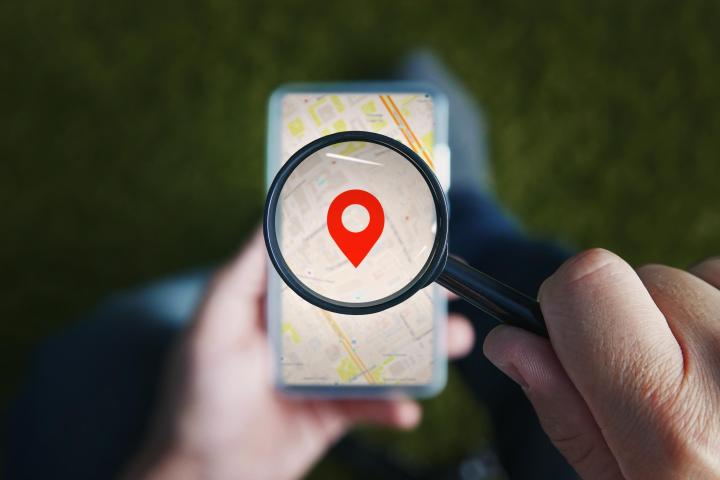
Geolocation Technology: Enhancing Tasks and Protecting Privacy
Geolocation refers to the process of determining the geographic location of a device or a user based on its IP address, Wi-Fi connection, or GPS signals. It allows for the identification of a user's physical location, enabling location-based services and applications.Geolocation technology has become increasingly popular in recent years, with widespread use in navigation systems, online maps, and location-based services. It can be used for various purposes such as tracking and monitoring, weather forecasting, or providing location-specific advertisements and content. The accuracy of geolocation depends on the availability of satellite signals, internet connectivity, and other factors. Despite privacy concerns, geolocation remains a crucial component of modern technology and is continuously evolving to meet the demands of consumers and businesses.
However, it's important to note that the use of geolocation data raises privacy and security issues, as it can reveal sensitive information about a user's location and activities. This has led to various regulations, such as the General Data Protection Regulation (GDPR) in the European Union, aimed at protecting the privacy of individuals and their personal data.In addition, it is important to note that not all devices or users have access to geolocation technology. For example, users with older devices or those living in areas with poor internet connectivity may not be able to benefit from location-based services. Additionally, some users may choose to disable geolocation on their devices due to privacy concerns, thereby limiting the potential reach of location-based applications. Despite these challenges, the use of geolocation technology continues to grow and expand, with new and innovative applications being developed all the time. Whether used for navigation, social networking, or other purposes, geolocation has the potential to enhance our lives and make many tasks easier and more convenient.